| More
   
Diseases » Depression » Causes

Causes of Depression

List of causes of Depression

Following is a list of causes or underlying conditions (see also Misdiagnosis of underlying causes of Depression) that could possibly cause Depression includes:

More causes:see full list of causes for Depressive symptoms

Race Patterns for Depression Causes:

Racial Information for Depression: Severe chronic depression is another problem that commonly affects Latinas; about one-half of Hispanic/Latina women... (Source: excerpt from Minority: NWHIC) ...more »

Depression Causes: Book Excerpts

Depression Causes: Male-Female Gender Ratio

Gender of Patients for Depression: Twice as many women as men....more »

Gender Profile of Depression: Nearly twice as many women (12 percent) as men (7 percent) are affected by a depressive illness each year. At... (Source: excerpt from Depression Research: NIMH) ...more »

Depression: Related Medical Conditions

To research the causes of Depression, consider researching the causes of these these diseases that may be similar, or associated with Depression:

Depression: Causes and Types

Causes of Types of Depression: Review the cause informationfor the various types of Depression:

Causes of Broader Categories of Depression: Review the causal information about the various more general categories of medical conditions:

Depression as a complication of other conditions:

Other conditions that might have Depression as a complication may, potentially, be an underlying cause of Depression. Our database lists the following as having Depression as a complication of that condition:

Depression as a symptom:

Conditions listing Depression as a symptom may also be potential underlying causes of Depression. Our database lists the following as having Depression as a symptom of that condition:

Medications or substances causing Depression:

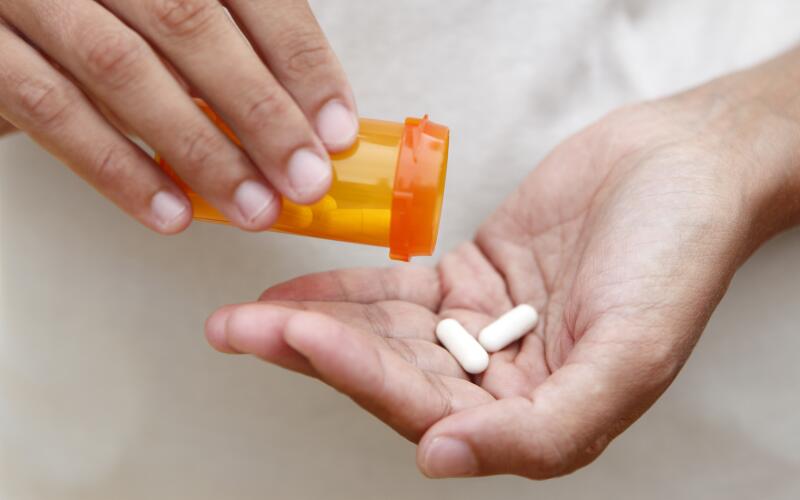
The following drugs, medications, substances or toxins are some of the possible causes of Depression as a symptom. This list is incomplete and various other drugs or substances may cause your symptoms. Always advise your doctor of any medications or treatments you are using, including prescription, over-the-counter, supplements, herbal or alternative treatments.


Drug interactions causing Depression:

When combined, certain drugs, medications, substances or toxins may react causing Depression as a symptom.

The list below is incomplete and various other drugs or substances may cause your symptoms. Always advise your doctor of any medications or treatments you are using, including prescription, over-the-counter, supplements, herbal or alternative treatments.

  • Zolpidem and benzodiazepine interaction
  • Ambien and benzodiazepine interaction
  • Zolpidem and diazepam interaction
  • Ambien and diazepam interaction
  • Meprobamate and alcohol interaction
  • more interactions...»

What causes Depression?

Causes: Depression: There are many factors associated with the development of depression, which usually develops as due to a combination of reasons. These include an imbalance in the brain of chemicals called neurotransmitters, including serotonin, norepinephrine, and dopamine. Neurotransmitters function within areas of the brain that regulate emotions and mood. Situational or environmental factors also play a role. These include traumas or stressors, such as the loss of a loved one, loss of a job, or a divorce. Depression may also run in families. Current research is searching for specific genes that may be involved in passing a tendency toward developing depression in family lines.
Article excerpts about the causes of Depression:

Depression: NWHIC (Excerpt)

There is no single cause of depression. For some people, just one event can bring on the illness. Others seem to become depressed for no clear reason. It appears to be caused by a combination of genetic, biological, and psychosocial factors. (Source: excerpt from Depression: NWHIC)

Let's Talk About Depression: NIMH (Excerpt)

Sometimes people get seriously depressed after something like a divorce in the family, major financial problems, someone you love dying, a messed up home life, or breaking up with a boyfriend or girlfriend.

Other times - like with other illnesses - depression just happens. Often teenagers react to the pain of depression by getting into trouble: trouble with alcohol, drugs, or sex; trouble with school or bad grades; problems with family or friends. This is another reason why it's important to get treatment for depression before it leads to other trouble. (Source: excerpt from Let's Talk About Depression: NIMH)

Depression Research: NIMH (Excerpt)

Evidence from neuroscience, genetics, and clinical investigation demonstrate that depression is a disorder of the brain. Modern brain imaging technologies are revealing that in depression, neural circuits responsible for the regulation of moods, thinking, sleep, appetite, and behavior fail to function properly, and that critical neurotransmitters – chemicals used by nerve cells to communicate – are out of balance. Genetics research indicates that vulnerability to depression results from the influence of multiple genes acting together with environmental factors. Studies of brain chemistry and of mechanisms of action of antidepressant medications continue to inform the development of new and better treatments. (Source: excerpt from Depression Research: NIMH)

The Invisible Disease Depression: NIMH (Excerpt)

The hypothalamic-pituitary-adrenal (HPA) axis, the hormonal system that regulates the body's response to stress, is overactive in many people with depression. Research findings suggest that persistent overactivation of this system may lay the groundwork for depression. 13 (Source: excerpt from The Invisible Disease Depression: NIMH)

Depression A Serious but Treatable Illness -- Age Page -- Health Information: NIA (Excerpt)

There is no one cause of depression. For some people, one event can bring on the illness. Depression often strikes people who felt fine but who are struggling with a death in the family or a sudden illness. Sometimes differences in brain chemistry can affect mood and cause depression. Sometimes people become depressed for no clear reason. (Source: excerpt from Depression A Serious but Treatable Illness -- Age Page -- Health Information: NIA)

Medical news summaries relating to Depression:

The following medical news items are relevant to causes of Depression:

Related information on causes of Depression:

As with all medical conditions, there may be many causal factors. Further relevant information on causes of Depression may be found in:

Causes of Depression: Online Medical Books

16 MEDICAL BOOKS ONLINE! Review excerpts from medical books online, free, without registration, for more information about the causes of Depression.

Depression: Medical causes
(Handbook of Signs & Symptoms (Third Edition))

Organic disorders

Various organic disorders and chronic illnesses produce mild, moderate, or severe depression. Among these are metabolic and endocrine disorders,such as hypothyroidism, hyperthyroidism, and diabetes; infectious diseases, such as influenza, hepatitis, and encephalitis; degenerative diseases, such as Alzheimer's disease, multiple sclerosis, and multi-infarct dementia; and neoplastic disorderssuch as cancer.

Psychiatric disorders

Affective disordersare typically characterized by abrupt mood swings from depression to elation (mania) or by prolonged episodes of either mood. In fact, severe depression may last for weeks. More moderate depression occurs in cyclothymic disordersand usually alternates with moderate mania. Moderate depression that's more or less constant over a 2-year period typically results from dysthymic disorders. Also, chronic anxiety disorders,such as panic and obsessive-compulsive disorder, may be accompanied by depression.

Other causes

Alcohol abuse

Long-term alcohol use, intoxication, or withdrawal commonly produces depression.

Drugs.

Various drugs cause depression as an adverse effect. Among the more common are barbiturates; chemotherapeutic drugs, such as asparaginase; anticonvulsants, such as diazepam; and antiarrhythmics, such as disopyramide. Other depression-inducing drugs include centrally acting antihypertensives, such as reserpine (common in high dosages), methyldopa, and clonidine; beta-adrenergic blockers, such as propranolol; levodopa; indomethacin; cycloserine; corticosteroids; and hormonal contraceptives.

Postpartum period.

Although the cause hasn't been proved, depression occurs in about 1 in every 2,000 to 3,000 pregnancies and is characterized by various symptoms. Symptoms range from mild postpartum blues to an intense, suicidal, depressive psychosis.

» READ BOOK EXCERPT ONLINE »

Source: Handbook of Signs & Symptoms (Third Edition), 2006

Fontanel depression: Medical causes
(Handbook of Signs & Symptoms (Third Edition))

Dehydration

With mild dehydration (5% weight loss), the anterior fontanel appears slightly depressed. The infant has pale, dry skin and mucous membranes; decreased urine output; a normal or slightly elevated pulse rate; and, possibly, irritability

Moderate dehydration (10% weight loss) causes slightly more pronounced fontanel depression, along with gray skin with poor turgor, dry mucous membranes, decreased tears, and decreased urine output. The infant has normal or decreased blood pressure, an increased pulse rate and, possibly, lethargy.

Severe dehydration (15%or greater weight loss) may result in a markedly sunken fontanel, along with extremely poor skin turgor, parched mucous membranes, marked oliguria or anuria, lethargy, and signs of shock, such as a rapid, thready pulse; very low blood pressure; and obtundation.

» READ BOOK EXCERPT ONLINE »

Source: Handbook of Signs & Symptoms (Third Edition), 2006

Major depression: Causes and incidence
(Professional Guide to Diseases (Eighth Edition))

The multiple causes of depression aren’t completely understood. Current research suggests possible genetic, familial, biochemical, physical, psychological, and social causes. Psychological causes (the focus of many nursing interventions) may include feelings of helplessness and vulnerability, anger, hopelessness and pessimism, and low self-esteem. They may be related to abnormal character and behavior patterns and troubled personal relationships. In many cases, the history identifies a specific personal loss or severe stressor that probably interacts with the person’s predisposition to provoke major depression.

Depression may be secondary to a specific medical condition — for example, metabolic disturbances, such as hypoxia and hypercalcemia; endocrine disorders, such as diabetes and Cushing’s syndrome; neurologic diseases, such as Parkinson’s and Alzheimer’s diseases; cancer (especially of the pancreas); viral and bacterial infections, such as influenza and pneumonia; cardiovascular disorders, such as heart failure; pulmonary disorders, such as chronic obstructive lung disease; musculoskeletal disorders, such as degenerative arthritis; GI disorders, such as irritable bowel syndrome; genitourinary problems, such as incontinence; collagen vascular diseases, such as lupus; and anemias.

Drugs prescribed for medical and psychiatric conditions as well as many commonly abused substances can also cause depression. Examples include antihypertensives, psychotropics, opioid and nonopioid analgesics, antiparkinsonian drugs, numerous cardiovascular medications, oral antidiabetics, antimicrobials, steroids, chemotherapeutic agents, cimetidine, and alcohol. Depression occurs in up to 18 million Americans, affecting all racial, ethnic, and socioeconomic groups. It affects both sexes, but is more common in women.

» READ BOOK EXCERPT ONLINE »

Source: Professional Guide to Diseases (Eighth Edition), 2005

Depression: Medical causes
(Professional Guide to Signs & Symptoms (Fifth Edition))

Organic disorders

Various organic disorders and chronic illnesses produce mild, moderate, or severe depression. Among these are metabolic and endocrine disorders, such as hypothyroidism, hyperthyroidism, and diabetes; infectious diseases, such as influenza, hepatitis, and encephalitis; degenerative diseases, such as Alzheimer’s disease, multiple sclerosis, and multi-infarct dementia; and neoplastic disorders such as cancer.

Psychiatric disorders

Affective disorders are typically characterized by abrupt mood swings from depression to elation (mania) or by prolonged episodes of either mood. In fact, severe depression may last for weeks. More moderate depression occurs in cyclothymic disorders and usually alternates with moderate mania. Moderate depression that’s more or less constant over a 2-year period typically results from dysthymic disorders. Also, chronic anxiety disorders, such as panic and obsessive-compulsive disorder, may be accompanied by depression.

Other causes

Alcohol abuse

Long-term alcohol use, intoxication, or withdrawal commonly produces depression.

Drugs

Various drugs cause depression as an adverse effect. Among the more common are barbiturates, chemotherapeutic drugs such as asparaginase, anticonvulsants such as diazepam, and antiarrhythmics such as disopyramide. Other depression-inducing drugs include centrally acting antihypertensives, such as reserpine (common with high doses), methyldopa, and clonidine; beta-adrenergic blockers such as propranolol; levodopa; indomethacin; cycloserine; corticosteroids; and hormonal contraceptives.

Postpartum period

Although its cause hasn’t been determined, postpartum depression occurs in about 1 in every 2,000 to 3,000 women who have given birth. Symptoms range from mild postpartum blues to an intense, suicidal, depressive psychosis.

» READ BOOK EXCERPT ONLINE »

Source: Professional Guide to Signs & Symptoms (Fifth Edition), 2006

Fontanel depression: Medical causes
(Professional Guide to Signs & Symptoms (Fifth Edition))

Dehydration

In mild dehydration (5% weight loss), the anterior fontanel appears slightly depressed. Other findings include pale, dry skin and mucous membranes; decreased urine output; a normal or slightly elevated pulse rate; and possibly irritability.

Moderate dehydration (10% weight loss) causes slightly more pronounced fontanel depression along with gray skin with poor turgor, dry mucous membranes, decreased tears, and decreased urine output. The infant has normal or decreased blood pressure and an increased pulse rate; he may also be lethargic.

Severe dehydration (15% or greater weight loss) may result in a markedly sunken fontanel along with extremely poor skin turgor, parched mucous membranes, marked oliguria or anuria, lethargy, and signs of shock, such as rapid, thready pulse, very low blood pressure, and obtundation.

» READ BOOK EXCERPT ONLINE »

Source: Professional Guide to Signs & Symptoms (Fifth Edition), 2006

Depression: Differential Overview
(Field Guide to Bedside Diagnosis)

❑ Dysthymia

❑ Major depression

❑ Adjustment disorder with depressed mood

❑ Seasonal affective disorder

❑ Bipolar disorder

❑ Drug-induced

❑ Grief

❑ Thyroid disease

❑ Dementia

❑ Stroke

❑ Paraneoplastic

» READ BOOK EXCERPT ONLINE »

Source: Field Guide to Bedside Diagnosis, 2007

Depression, major: Causes
(Handbook of Diseases)

The multiple causes of depression aren’t completely understood. Current research suggests possible genetic, familial, biochemical, physical, psychological, and social causes.

Psychological factors

Such causes may include feelings of helplessness and vulnerability, anger, hopelessness and pessimism, and low self-esteem; they may be related to abnormal character and behavior patterns and troubled personal relationships.

In many patients, the history identifies a specific personal loss or severe stressor that probably interacts with the person’s predisposition to provoke major depression.

Medical conditions

Depression may be secondary to a specific medical condition — for example, metabolic disturbances, such as hypoxia and hypercalcemia; endocrine disorders, such as diabetes and Cushing’s disease; neurologic diseases, such as Parkinson’s and Alzheimer’s disease; and cancer, especially of the pancreas.

Other medical conditions that may underlie depression include viral and bacterial infections, such as influenza and pneumonia; cardiovascular disorders such as heart failure; pulmonary disorders such as chronic obstructive pulmonary disease; musculoskeletal disorders such as degenerative arthritis; GI disorders such as irritable bowel syndrome; genitourinary problems such as incontinence; collagen vascular diseases such as lupus; and anemias.

Drugs

Drugs prescribed for medical and psychiatric conditions as well as many commonly abused substances, can also cause depression. Examples include antihypertensives, psychotropics, narcotic and nonnarcotic analgesics, antiparkinsonian drugs, numerous cardiovascular medications, oral antidiabetics, antimicrobials, steroids, chemotherapeutic agents, cimetidine, and alcohol.

» READ BOOK EXCERPT ONLINE »

Source: Handbook of Diseases, 2003

Fontanel depression: Medical causes
(Nursing: Interpreting Signs and Symptoms)

Dehydration.With mild dehydration (5% weight loss), the anterior fontanel appears slightly depressed. The infant has pale, dry skin and mucous membranes; decreased urine output; a normal or slightly elevated pulse rate; and, possibly, irritability.

Moderate dehydration (10% weight loss) causes slightly more pronounced fontanel depression, along with gray skin with poor turgor, dry mucous membranes, decreased tears, and decreased urine output. The infant has normal or decreased blood pressure, an increased pulse rate and, possibly, lethargy.

Severe dehydration (15% or greater weight loss) may result in a markedly sunken fontanel, along with extremely poor skin turgor, parched mucous membranes, marked oliguria or anuria, lethargy, and signs of shock, such as a rapid, thready pulse; very low blood pressure; and obtundation.

» READ BOOK EXCERPT ONLINE »

Source: Nursing: Interpreting Signs and Symptoms, 2007

 
HONcode We subscribe to the HONcode principles

By using this site you agree to our Terms of Use. Information provided on this site is for informational purposes only; it is not intended as a substitute for advice from your own medical team. The information on this site is not to be used for diagnosing or treating any health concerns you may have - please contact your physician or health care professional for all your medical needs. Please see our Terms of Use.

Home | Symptoms | Diseases | Diagnosis | Videos | Tools | Forum | About Us | Terms of Use | Privacy Policy | Site Map | Advertise