advertisement
 

TREATMENTS &
RESEARCH

Search the
latest
treatment
information
here.

Dr. Huntley's
Diagnosis
Checklist

Have a symptom?
See what questions
a doctor would ask.
 

Symptom: Pupil symptoms


Introduction: Pupil symptoms

Further information about Pupil symptoms is below, or review more specific information about these types of Pupil symptoms: pupil dilation, dilated pupils, Non-reactive Pupils, Pupil constriction, Pupils, nonreactive, Pupils, sluggish, Aniscoria, Mydriasis or other types.

Pupil symptoms: Symptoms affecting the pupil of the eye. See free access online books about Pupil symptoms below. See detailed information below for a list of 62 causes of Pupil symptoms, including diseases and drug side effect causes.

» Review Causes of Pupil symptoms: full list

Causes of Pupil symptoms:

The following medical conditions are some of the possible causes of Pupil symptoms. There are likely to be other possible causes, so ask your doctor about your symptoms.

See full list of 62 causes of Pupil symptoms

» Review Causes of Pupil symptoms: full list

Causes of Types of Pupil symptoms:

Review the causes of these more specific types of Pupil symptoms:

More types of Pupil symptoms

Pupil symptoms: Multiple Symptom Checker

Listed below are some combinations of symptoms associated with Pupil symptoms, as listed in our database. Visit the Multiple Symptoms Checker, to add and remove symptoms and research your condition.

Multiple Symptom Checker - Other Symptoms

Multiple Symptom Checker Combinations

See full list of 1216 Multiple Symptom Checker combinations related to Pupil symptoms

Home Diagnostic Testing and Pupil symptoms

Home medical tests possibly related to Pupil symptoms:

Causes of General Symptom Types

Research the causes of these more general types of symptom:

Causes of Similar Symptoms to Pupil symptoms

Research the causes of these symptoms that are similar to, or related to, the symptom Pupil symptoms:

Diagnostic Guides for Pupil symptoms

Medical Books Excerpts Read excertps from published book sections related to Pupil symptoms from the following published medical books for more detailed information about Pupil symptoms. Free access (no registration): read all online diagnostic book sections about Pupil symptoms

Medical Books Excerpts
  • "Differential Diagnosis in Primary Care"
  • "Differential Diagnosis in Primary Care"
  • "Handbook of Signs & Symptoms (Third Edition)"
  • "Handbook of Signs & Symptoms (Third Edition)"
  • "Handbook of Signs & Symptoms (Third Edition)"
  • "Professional Guide to Signs & Symptoms (Fifth Edition)"
  • "Professional Guide to Signs & Symptoms (Fifth Edition)"
  • "Professional Guide to Signs & Symptoms (Fifth Edition)"
  • "Signs & Symptoms: A 2-in-1 Reference for Nurses"
  • "Signs & Symptoms: A 2-in-1 Reference for Nurses"
  • "Signs & Symptoms: A 2-in-1 Reference for Nurses"
  • "Nursing: Interpreting Signs and Symptoms"
  • "Nursing: Interpreting Signs and Symptoms"
  • "Nursing: Interpreting Signs and Symptoms"

Copyright notice for book excerpts: Copyright © 2008 Lippincott Williams & Wilkins. All rights reserved.

Diagnostic tests for Pupil symptoms:

Various tests are used in the diagnosis of Pupil symptoms. Some of these are listed below :

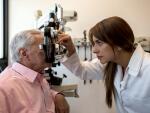
  • Eye examination
    • Inspect the eye noting the nature of redness, if present. This will help delineate iritis and glaucoma which may cause pupil dilation
    • Examine the pupils for size, shape, equality and regularity
    • Test the light and accommodation reflexes of the pupils. Usually a light shone into the pupils will cause the pupil to constrict. Usually focusing from a far object to a near object will cause the pupil to constrict
    • Unilateral pupil dilation which is not reactive to light or accommodation (focusing on near object) would suggest oculomotor nerve (third cranial nerve) palsy due to a ruptured brain aneurysm or intracranial haematoma (brain blood clot). If a unilateral dilated pupil reacts to both light and accommodation, must consider a local eye condition such as iritis, glaucoma, anisocoria (a condition in which the two pupils are not of equal size) or irritation of the cervical sympathetic nerves. If a unilateral dilated pupil reacts to accommodation but not to light, must consider neurosyphilis. If a unilateral dilated pupil does not react to light or accommodation, must consider blindness due to optic nerve (second cranial nerve) lesions

See full list of 23 diagnostic tests for Pupil symptoms

Diagnosis Checklist: Questions your doctor may ask (and why!)

During a consultation, your doctor will use various techniques in their assessment of Pupil symptoms. Your doctor may ask several questions when assessing your condition. It is important to remember that your consultation is a two-way process and any extra information you can share with your doctor about your symptoms may help them with their diagnosis. Some of the questions your doctor may ask are listed below:

  • How long have you had the pupil symptoms? - to determine if acute or chronic.
  • What pupil symptoms do you have? - e.g. dilated pupil, constricted pupil, pupils of unequal size, pupils of unequal shape, pupil with an irregular shape, pupil that does not react to light, pupil that does not react to focusing from a near object to a far one.
  • If pupil is dilated, are both pupils dilated? - Bilateral pupil dilation would most likely suggest drug intoxication such as Phenobarbital, marijuana and PCP. Other possibilities include concussion and glaucoma.
  • If pupil is constricted, are both pupils constricted? - bilateral pupil constriction would suggest narcotic intoxication. Unilateral pupil constriction would suggest Horner's syndrome.
  • History of head trauma? - concussion or intracranial haematoma (brain blood clot) may cause pupil dilation.

See Diagnosis Checklist for Pupil symptoms (17 listings)

Diagnosis Checklist: Associated symptoms your doctor may ask about (and why!)

Sometimes, other symptoms may be present and may help your doctor analyse your condition. The symptoms your doctor may ask about (in association with Pupil symptoms) may include:

  • Blindness? - Blindness associated with pupil dilation would suggest an optic nerve lesion (second cranial nerve). Impaired vision associated with pupil dilation may also suggest glaucoma or iritis. Blurring of near vision associated with a dilated pupil may suggest Homes-Adie pupil.
  • Redness of the eye? - associated with pupil dilation would suggest definite eye disease such as iritis or glaucoma.
  • Joint pain? - associated with pupil dilation may suggest iritis due to either ankylosing spondylitis, Reiter's syndrome or inflammatory bowel disease.
  • Fever? - may suggest meningitis, encephalitis, brain abscess or brainstem abscess.
  • Irregular pupil shape? - may suggest normal genetic variation, iritis, multiple sclerosis, coloboma, previous cataract surgery, neurosyphilis.

See Diagnosis Checklist for Pupil symptoms (17 listings)

Stories from Users for Pupil symptoms

Real-life user stories relating to Pupil symptoms:

Symptom specific forums: The following patient stories in our interactive forums and message boards relate to Pupil symptoms or relevant symptoms:

Videos for Pupil symptoms

Insurance Claim Forms

Insurance Claim Forms"I authorize the release of any medical or other information necessary to process this claim." Do you recognize these words? You should, if...

Responsible Sexual Behavior

Responsible Sexual BehaviorSexual contact can sometimes result in problems. An unwanted pregnancy or sexually transmitted diseases may be some of those consequences. But by...


Your Health and Your Insurance

Your Health and Your InsuranceHealth insurance is important to everyone, especially people with chronic conditions like Crohn's disease and ulcerative colitis. Tune in to...

Poor Sleep's Effect on Health

Poor Sleep's Effect on HealthSleep is necessary to feel refreshed, but now we know sleep actually impacts the way the body functions. Sleeping poorly can affect how often you get...

 
See full list of 4 related videos

Patient Surveys for Pupil symptoms

Organs affected by Pupil symptoms:

The list of organs typically affected by Pupil symptoms may include, but is not limited to:

Detailed list of causes of Pupil symptoms

The list below shows some of the causes of Pupil symptoms mentioned in various sources:

See full list of 62 causes of Pupil symptoms

How Common are these Causes of Pupil symptoms?

This information refers to the general prevalence and incidence of these diseases, not to how likely they are to be the actual cause of Pupil symptoms. Of the 62 causes of Pupil symptoms that we have listed, we have the following prevalence/incidence information:

  • 0 causes are "very common" diseases
  • 3 causes are "common" diseases
  • 2 causes are "uncommon" diseases
  • 1 causes are "rare" diseases
  • 6 causes are "very rare" diseases
  • 55 causes have no prevalence information.

See the analysis of the prevalence of 62 causes of Pupil symptoms

Conditions listing symptoms: Pupil symptoms:

The following list of conditions have 'Pupil symptoms' or similar listed as a symptom in our database. This computer-generated list may be inaccurate or incomplete. Always seek prompt professional medical advice about the cause of any symptom.

A

  • Acute liver failure ... dilated pupils
  • Addiction ... glassy eyes
  • Adie syndrome ... dilated pupils
  • Amitriptyline toxicity ... dilated pupils
  • Amoxapine toxicity ... dilated pupils
  • Amphetamine abuse ... pupil dilation
  • Anticholinergic syndrome ... dilated pupils
  • Argyll-Robertson syndrome ... small pupils
  • Ataxia, spastic with congenital miosis ... small pupils, nonreactive pupils

    B

  • Botulism food poisoning ... dilated pupils

    C

  • Chromosome 17p, partial duplication ... small pupils
  • Clomipramine Toxicity ... dilated pupils
  • Concussion ... dilated pupils, normal pupil response to light

    D

  • Desipramine toxicity ... dilated pupils
  • Doxepin toxicity ... dilated pupils

    E

  • Eye neuropathy ... reduced pupil response, reduced pupil constrictions, reduced pupil constrictions, reduced pupil dilation, reduced pupil dilation

    G

  • Grand mal seizures ... dilated pupils

    H

  • Head injury ... pupil changes
  • Heart attack ... dilated pupils
  • Heroin withdrawal ... dilated pupils
  • Horner's syndrome ... small pupils, constricted pupils on affected side of face
  • Hydrocodone withdrawal ... dilated pupils

    I

  • Imipramine toxicity ... dilated pupils
  • Infant Death ... Dilated pupils
  • Iridocorneal Endothelial Syndrome ... pupil distortion

    L

  • Lortab withdrawal ... dilated pupils

    M

  • Microcoria, congenital ... small pupils

    N

  • Nephrotic syndrome ocular anomalies ... nonreactive pupils
  • Neurosyphilis ... small pupils
  • Neurosyphilis - meningovascular ... small pupils
  • Nortriptyline toxicity ... dilated pupils

    O

  • Oculomotor Migraine ... pupil dilation
  • Opioid withdrawal ... dilated pupils

    P

  • Protriptyline toxicity ... dilated pupils

    R

  • Rabies ... Pupil dilation
  • Reye's Syndrome ... dilated pupils

    S

  • Septo-Optic Dysplasia ... pupil dilation in response to light
  • Shock ... dilated pupils
  • Skull fracture ... Dilated pupils

    T

  • Thrombocytopathy - asplenia - miosis ... contracted pupils
  • Trimipramine toxicity ... dilated pupils

    W

  • Westphal-Piltz pupil ... contracted pupils

    Join in at the forums

    Ask or answer a question about symptoms or diseases at one of our free interactive user forums.

    Medical story forums: If you have a medical story then we want to hear it.

    See a list of all the medical forums

  • Causes of Pupil symptoms Based on Risk Factors

    This information shows analysis of the list of causes of Pupil symptoms based on whether certain risk factors apply to the patient:

  • Travel - has the patient travelled recently?
  • Diabetes - history of diabetes or family history of diabetes?
  • Sexual activity - history of sexual behavior?

    Doctors and specialists: Who should I consult about Pupil symptoms?

    Depending on the seriousness of the onset of Pupil symptoms, you may want to consult one of the following medical professionals.
    Important:In extreme cases, always seek advice from emergency services :

    Classifications of Pupil symptoms:

    Subtypes of Pupil symptoms:

    Pupil dilation (10 causes), Dilated pupils (24 causes), Non-reactive Pupils (2 causes), Pupil constriction, Pupils, nonreactive, Pupils, sluggish, Aniscoria, Mydriasis (4 causes)

    Medical Conditions associated with Pupil symptoms:

    Eye symptoms (2159 causes)

    Symptoms related to Pupil symptoms:

    Pupil contraction, Pupil dilation (10 causes), Eye symptoms (2159 causes)

    Pupil symptoms as a disease:

    You may also want to research other Diseases in our Disease Center.

    Medical articles on signs and symptoms:

    Doctor-patient articles related to symptoms and diagnosis:

    These general medical articles may be of interest:

    See full list of premium articles on symptoms and diagnosis

    Medical News summaries about Pupil symptoms

    Our news pages contain the following medical news summaries about Pupil symptoms and many other medical conditions:


    More Ways To Research Medical Signs and Symptoms:

  • Major Disease Research

    Research
    symptoms, treatments,
    and misdiagnosis
    of major diseases.

    Multiple Symptom
    Checker

    Check one
    or many
    symptoms
     
    By using this site you agree to our Terms of Use. Information provided on this site is for informational purposes only; it is not intended as a substitute for advice from your own medical team. The information on this site is not to be used for diagnosing or treating any health concerns you may have - please contact your physician or health care professional for all your medical needs. Please see our Terms of Use.