Exophthalmos
Exophthalmos — the abnormal protrusion of one or both eyeballs — may result from hemorrhage, edema, or inflammation behind the eye; extraocular muscle relaxation; or space-occupying intraorbital lesions and metastatic tumors. This sign may occur suddenly or gradually, causing mild to dramatic protrusion. Occasionally, the affected eye also pulsates. The most common cause of exophthalmos in adults is dysthyroid eye disease.
Exophthalmos is usually easily observed. However, lid retraction may mimic exophthalmos even when protrusion is absent. Similarly, ptosis in one eye may make the other eye appear exophthalmic by comparison. An exophthalmometer can differentiate these signs by measuring ocular protrusion.
History and physical examination
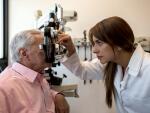
Begin by asking when the patient first noticed exophthalmos. Is it associated with pain in or around the eye? If so, ask him how severe it is and how long he has had it. Then ask about recent sinus infection or vision problems. Take the patient's vital signs, noting a fever, which may accompany eye infection. Next, evaluate the severity of exophthalmos with an exophthalmometer. (See Detecting unilateral exophthalmos.) If the eyes bulge severely, look for cloudiness on the cornea, which may indicate ulcer formation. Describe any eye discharge and observe for ptosis. Then check visual acuity, with and without correction, and evaluate extraocular movements. Palpate the patient's thyroid for enlargement or goiter.
Medical causes
Cavernous sinus thrombosis
Usually, cavernous sinus thrombosis causes the sudden onset of pulsating, unilateral exophthalmos. Accompanying it may be eyelid edema, decreased or absent pupillary reflexes, and impaired extraocular movement and visual acuity. Other features include a high fever with chills, papilledema, a headache, nausea, vomiting, somnolence and, rarely, seizures.
Dacryoadenitis
Unilateral, slowly progressive exophthalmos is the most common sign of dacryoadenitis. Assessment may also reveal limited extraocular movements (especially on elevation and abduction), ptosis, eyelid edema and erythema, conjunctival injection, eye pain, and diplopia
Foreign body in the eye
When a foreign body enters the eye, exophthalmos may accompany other signs and symptoms of ocular trauma, such as eye pain, redness, and tearing.
Hemangioma
Most common in young adults, this orbital tumor produces progressive exophthalmos, which may be mild or severe, unilateral or bilateral. Other signs and symptoms include ptosis, limited extraocular movements, and blurred vision.
Lacrimal gland tumor
Exophthalmos usually develops slowly in one eye, causing its downward displacement toward the nose. The patient may also have ptosis and eye deviation and pain.
Leiomyosarcoma
Most common in people ages 45 and older, leiomyosarcoma is characterized by slowlydeveloping, unilateral exophthalmos. Other effects include diplopia, impaired vision, and intermittent eye pain.
Orbital cellulitis
Commonly the result of sinusitis, this ocular emergency causes the sudden onset of unilateral exophthalmos, which may be mild or severe. Orbital cellulitis may also produce a fever, eye pain, a headache, malaise, conjunctival injection, tearing, eyelid edema and erythema, purulent discharge, and impaired extraocular movements.
Orbital choristoma
A common sign of this benign tumor, progressive exophthalmos may be associated with diplopia and blurred vision.
Orbital emphysema
Air leaking from the sinus into the orbit usually causes unilateral exophthalmos. Palpation of the globe elicits crepitation.
Parasite infestation
Usually, parasite infestation causes painless, progressive exophthalmos in one eye that may spread to the other eye. Associated findings include limited extraocular movement, diplopia, eye pain, and impaired visual acuity.
Scleritis (posterior)
The gradual onset of mild to severe unilateral exophthalmos is common with scleritis. Other signs and symptoms include severe eye pain, diplopia, papilledema, limited extraocular movement, and impaired visual acuity.
Thyrotoxicosis
Although a classic sign of thyrotoxicosis, exophthalmos is absent in many patients. It's usually bilateral, progressive, and severe. Associated ocular features include ptosis, increased tearing, lid lag and edema, photophobia, conjunctival injection, diplopia, and decreased visual acuity. Other findings include an enlarged thyroid, nervousness, heat intolerance, weight loss despite increased appetite, sweating, diarrhea, tremors, palpitations, and tachycardia.
Special considerations
Exophthalmos usually makes the patient self-conscious, so provide privacy and emotional support. Protect the affected eye from trauma, especially drying of the cornea. However, never place a gauze eye pad or other object over the affected eye; removal could damage the corneal epithelium. If a slit-lamp examination is indicated, explain the procedure to the patient. If necessary, refer him to an ophthalmologist for a complete examination. The cause of exophthalmos determines the therapy. Prepare the patient for blood tests, such as a thyroid panel and a white blood cell count.
Pediatric pointers
In children around age 5, a rare tumor called optic nerve glioma may cause exophthalmos. Rhabdomyosarcoma, a more common tumor, usually affects children between ages 4 and 12 and produces the rapid onset of exophthalmos. In Hand-Schüller-Christian syndrome, exophthalmos typically accompanies signs of diabetes insipidus and bone destruction.
Eye discharge
Usually associated with conjunctivitis, eye discharge is the excretion of a substance other than tears. This common sign may occur in one or both eyes, producing scant to copious discharge. The discharge may be purulent, frothy, mucoid, cheesy, serous, or clear or a stringy white discharge. Sometimes, the discharge can be expressed by applying pressure to the tear sac, punctum, meibomian glands, or canaliculus.
Eye discharge commonly results from inflammatory and infectious eye disorders, but may also occur in certain systemic disorders. (See Sources of eye discharge.) Because this sign may accompany a disorder that threatens vision, it must be assessed and treated immediately.
History and physical examination
Begin your evaluation by finding out when the discharge began. Does it occur at certain times of the day or in connection with certain activities? If the patient complains of pain, ask him to show you its exact location and to describe its character. Is the pain dull, continuous, sharp, or stabbing? Do his eyes itch or burn? Do they tear excessively? Are they sensitive to light? Does he feel like something is in them?
After taking the patient's vital signs, carefully inspect the eye discharge. Note its amount, color, and consistency. Then test visual acuity, with and without correction. Examine external eye structures, beginning with the unaffected eye to prevent cross-contamination. Observe for eyelid edema, entropion, crusts, lesions, and trichiasis. Next, ask the patient to blink as you watch for impaired lid movement. If the eyes seem to bulge, measure them with an exophthalmometer. Test the six cardinal fields of gaze. Examine for conjunctival injection and follicles and for corneal cloudiness or white lesions.
Conjunctivitis
Five types of conjunctivitis may cause an eye discharge with redness, hyperemia, foreign-body sensation, periocular edema, and tearing.
With allergic conjunctivitis, a bilateral ropey discharge is accompanied by itching and tearing.
Bacterial conjunctivitis causes a moderate purulent or mucopurulent discharge that may form sticky crusts on the eyelids during sleep. The discharge is commonly greenish white and usually occurs in one eye. The patient may also experience itching, burning, excessive tearing, and the sensation of a foreign body in the eye. Eye pain indicates corneal involvement. Preauricular adenopathy is uncommon.
Viral conjunctivitis is generally more common than the bacterial form. A serous, clear discharge and preauricular adenopathy are usually present. The history includes a runny nose, an upper respiratory tract infection, or recent contact with a person who had these signs. The onset is usually unilateral.
Fungal conjunctivitis produces a copious, thick, purulent discharge that makes the eyelids crusty and sticky. Also characteristic are eyelid edema, itching, burning, and tearing. Pain and photophobia occur only with corneal involvement.
Inclusion conjunctivitis causes scant mucoid discharge — especially in the morning — in both eyes, accompanied by pseudoptosis and conjunctival follicles.
Corneal ulcers
Bacterial and fungal corneal ulcers produce a copious, purulent unilateral eye discharge. Related findings are crusty, sticky eyelids and, possibly, severe pain, photophobia, and impaired visual acuity.
Bacterial corneal ulcers are also characterized by an irregular gray-white area on the cornea, blurred vision, unilateral pupil constriction, and conjunctival injection.
Fungal corneal ulcers are also characterized by conjunctival injection and eyelid edema and erythema. A painless, dense, whitish gray central ulcer develops slowly and may be surrounded by progressively clearer rings.
Erythema multiforme major (Stevens-Johnson syndrome)
A purulent discharge characterizes Stevens-Johnson syndrome. Other ocular effects may include severe eye pain, entropion, trichiasis, photophobia, and decreased tear formation. Also typical are erythematous, urticarial, bullous lesions that suddenly erupt over the skin.
Herpes zoster ophthalmicus
Herpes zoster ophthalmicus yields a moderate to copious serous eye discharge accompanied by excessive tearing. Examination reveals eyelid edema and erythema, conjunctival injection, and a white, cloudy cornea. The patient also complains of eye pain and severe unilateral facial pain that occurs several days before vesicles erupt.
Keratoconjunctivitis sicca
Better known as dry eye syndrome, keratoconjunctivitis sicca typically causes excessive, continuous mucoid discharge and insufficient tearing. Accompanying signs and symptoms include eye pain, itching, burning, a foreign-body sensation, and dramatic conjunctival injection. The patient may also have difficulty closing his eyes.
Meibomianitis
Meibomianitis may produce a continuous frothy eye discharge. Applying pressure on the meibomian glands yields a soft, foul-smelling, cheesy yellow discharge. The eyes also appear chronically red, with inflamed lid margins.
Orbital cellulitis
Although exophthalmos is the most obvious sign of this disorder, a unilateral purulent eye discharge may also be present. Related findings include eyelid edema, conjunctival injection, a headache, orbital pain, impaired visual acuity, limited extraocular movement, and a fever.
Psoriasis vulgaris
Usually, psoriasis vulgaris causes a substantial mucus discharge in both eyes, accompanied by redness. The characteristic lesions it produces on the eyelids may extend into the conjunctiva, causing irritation, excessive tearing, and a foreign-body sensation.
Trachoma
A bilateral eye discharge occurs in trachoma along with severe pain, excessive tearing, photophobia, eyelid edema, redness, and visible conjunctival follicles.
Special considerations
Apply warm soaks to soften crusts on the eyelids and lashes. Then gently wipe the eyes with a soft gauze pad. Carefully dispose of all used dressings, tissues, and cotton swabs to prevent the spread of infection. Teach the patient to avoid contaminating the unaffected eye and to refrain from sharing pillows, wash cloths, eyedrops, or eye makeup with others. Also, be sure to sterilize ophthalmic equipment after use.
Explain ordered diagnostic tests, including culture and sensitivity studies to identify infectious organisms.
Pediatric pointers
In infants, prophylactic eye medication (silver nitrate) commonly causes eye irritation and discharge. However, in children, discharges usually result from eye trauma, eye infection, or upper respiratory tract infection.
Pictures
Book Source Details
- Book Title: Handbook of Signs & Symptoms (Third Edition)
- Author(s): Springhouse
- Year of Publication: 2006
- Copyright Details: Handbook of Signs & Symptoms (Third Edition), Copyright © 2006 Lippincott Williams & Wilkins.
Other Book Chapters Related to Bulging eyes
Read excerpts from these other book chapters related to Bulging eyes:
Medical Books Excerpts
- EYE PAIN
- "Algorithmic Diagnosis of Symptoms and Signs" (2003)
- [ read ]
- Red Eye
- "In a Page: Signs and Symptoms" (2004)
- [ read ]
- EYE PAIN
- "Differential Diagnosis in Primary Care" (2007)
- [ read ]
- RED EYE
- "Differential Diagnosis in Primary Care" (2007)
- [ read ]
- Eye pain
- "Handbook of Signs & Symptoms (Third Edition)" (2006)
- [ read ]
- Red Eye
- "The 10-Minute Diagnosis Manual: Symptoms and Signs in the Time-Limited Encounter" (2000)
- [ read ]
- Red Eye
- "Field Guide to Bedside Diagnosis" (2007)
- [ read ]
- Eye pain
- "Alarming Signs and Symptoms: Lippincott Manual of Nursing Practice Series" (2007)
- [ read ]
- Eye pain
- "Signs & Symptoms: A 2-in-1 Reference for Nurses" (2007)
- [ read ]
- Red Eye
- "The Diagnostic Approach to Symptoms and Signs in Pediatrics" (2006)
- [ read ]
- Proptosis
- "The Diagnostic Approach to Symptoms and Signs in Pediatrics" (2006)
- [ read ]
- EYE PAIN
- "Differential Diagnosis in Primary Care" (2007)
- [ read ]
- RED EYE
- "Differential Diagnosis in Primary Care" (2007)
- [ read ]
Copyright Details: Handbook of Signs & Symptoms (Third Edition), Copyright © 2008 Williams & Wilkins.
More About Causes of Bulging eyes
» Next page: Eye pain (Handbook of Signs & Symptoms (Third Edition))
Rate This Website
What do you think about the features of this website?
Take our user survey and have your say:
Website User Survey
Medical Tools & Articles:
Next articles:
Tools & Services:
Medical Articles:
Forums & Message Boards
- Ask or answer a question at the Boards: